If you glance up at your house and notice the roofline isn’t straight anymore, then it’s time to do something about it before it’s too late. You may need a sagging roof repair because what looks like a small dip today is actually a red flag that your roof may be in serious trouble. A sagging roof is more than just a cosmetic problem. It can signal structural damage, water intrusion, or even the early stages of a potential collapse. In the Bay Area, where heavy rains, strong winds, and aging homes put extra strain on roofs, sagging is a warning sign you can’t afford to ignore. The longer you wait to repair it, the more dangerous and expensive the problem becomes.
What a Sagging Roof Means
A sagging roof is one of the clearest signs that something is wrong with the structure of your home. While it might start as a subtle dip along the roofline, it usually points to deeper issues that won’t fix themselves.
When your roof sags, it often means:
- Structural weakness: The rafters or trusses that support your roof may be cracked, undersized, or rotting.
- Water damage: Moisture from leaks or poor ventilation can slowly weaken the decking and framing.
- Overloaded roofing system: Extra weight from multiple layers of roofing material, heavy debris, or water pooling can cause the roof to bow.
Ignoring sagging doesn’t just put your roof at risk. It can compromise the safety of your entire home. What looks like a slight curve today could become a major collapse tomorrow.
Common Causes of Sagging Roofs
A sagging roof rarely happens overnight. In most Bay Area homes, it’s the result of problems that build up over time. Understanding the cause is the first step to fixing it properly.
Here are the most common reasons a roof starts to sag:
-
- Water damage: Leaks, clogged gutters, or poor drainage allow moisture to soak into rafters and decking, weakening the structure.
- Excess weight: Too many layers of shingles, heavy debris, or pooling rainwater can overload the roof.
- Weak framing: Undersized or poorly installed rafters and trusses may not be strong enough to hold up under stress.
- Aging materials: Roofs naturally weaken over time. Old wood and decking lose strength and begin to bow.
- Poor installation or shortcuts: DIY work or unlicensed contractors often leave hidden flaws that eventually lead to sagging.
Each of these issues requires a different solution, which is why a professional inspection is essential before deciding on repair or replacement.
Warning Signs Homeowners Should Watch For
A sagging roof is not always obvious from the outside. In many cases, the earliest warning signs show up inside your home. If you know what to look for (and here is a guide if you don’t), you can catch the problem before it turns into a costly repair.
Here are the most common red flags:
- Visible dip or curve in the roofline: Even a small sag indicates structural problems that need attention.
- Cracks in ceilings or walls: Pressure from a weakened roof structure can cause cracks or bulges indoors.
- Water stains or leaks: Discoloration on ceilings or walls often points to roof decking that has been compromised by moisture.
- Doors and windows sticking: A shifting structure can move door and window frames out of alignment.
- Uneven roof surface: Shingles or tiles that appear wavy or misaligned may be a sign of sagging underneath.
If you notice any of these issues, do not wait. A sagging roof will not correct itself, and the longer it is left untreated the greater the risk of serious damage.
Why Immediate Repair Is Critical
A sagging roof is not a problem that can wait. Once the structure of a roof begins to weaken, the damage only accelerates. Ignoring it allows moisture, stress, and structural strain to spread to other parts of your home.
Here is why acting quickly matters:
- Sagging gets worse over time: Roof structures do not stabilize on their own. Once they begin to bend or bow, the process continues until repairs are made.
- Costs increase the longer you wait: What starts as a repair to rafters or decking can turn into a full roof replacement if left unchecked.
- Safety risks rise: Severe sagging puts your family at risk of collapse, leaks, and fire hazards from compromised materials.
- Insurance may not cover neglect: Many insurance companies deny claims if damage is the result of unaddressed structural problems.
The sooner sagging is addressed, the more affordable and less disruptive the repair will be. Waiting only leads to bigger bills and greater risks.
How Sagging Roof Repair Works
Repairing a sagging roof is not a one-size-fits-all job. The right solution depends on what caused the sagging and how severe the damage has become. A professional roofing contractor begins with a full inspection to identify the source of the problem and then designs a repair plan to restore strength and safety.
Here are the most common steps in sagging roof repair:
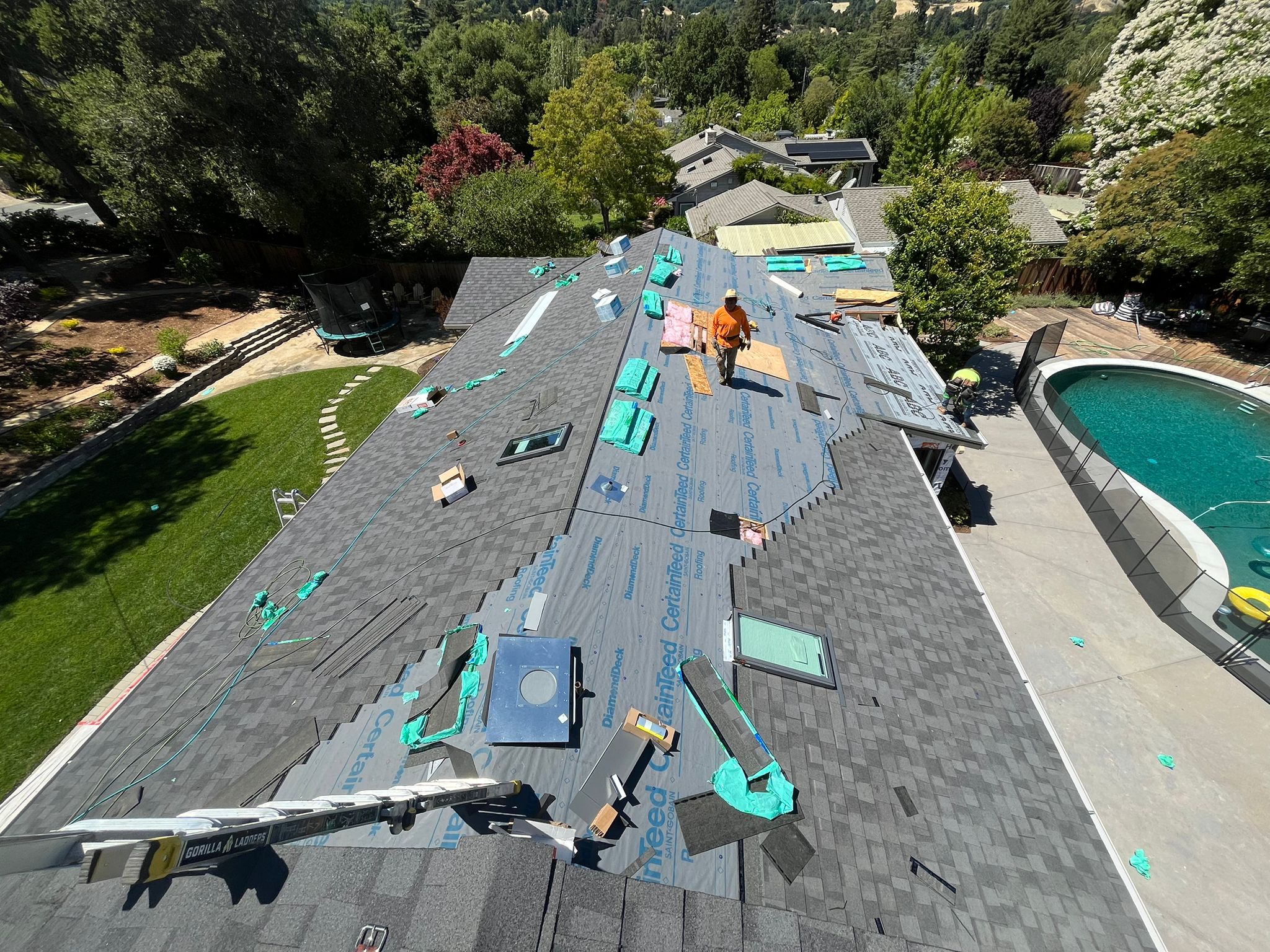
- Inspection and assessment: A licensed roofer evaluates the condition of rafters, trusses, decking, and roofing materials.
- Reinforcing or replacing framing: Weak or damaged rafters and trusses are repaired or replaced to restore structural support.
- Repairing roof decking: Rotten or water-damaged decking is removed and replaced to provide a solid foundation.
- Addressing underlying issues: Ventilation problems, leaks, or excess weight are corrected so the roof does not sag again.
- Determining if replacement is necessary: In some cases, a full roof replacement is more cost-effective and reliable than piecemeal repairs.
With the right approach, sagging roof repair not only fixes the visible problem but also strengthens your entire roofing system for years to come.
Why Hire a Licensed Roofing Contractor
A sagging roof is more than a cosmetic issue. It is a structural problem that demands professional expertise. While some homeowners may be tempted to patch the surface or attempt DIY fixes, these shortcuts rarely solve the underlying cause and can even make the situation worse.
Hiring a licensed roofing contractor provides key advantages:
- Knowledge of structural repair: Licensed roofers understand how to address framing, decking, and load-bearing components, not just shingles.
- Compliance with local codes: Every Bay Area city has building requirements. A licensed contractor ensures your repair meets these standards.
- Insurance and warranty protection: Work done by a licensed roofer protects your coverage and adds peace of mind.
- Access to proper tools and materials: Professional contractors use equipment and materials designed for long-lasting repairs.
- Time and cost savings: Correcting sagging issues the right way the first time prevents repeat problems and unexpected expenses.
Choosing a licensed contractor means your sagging roof will be repaired safely, legally, and with lasting results.
Your Next Step
A sagging roof is one of the clearest warnings a home can give. It signals that the structure is under stress and that damage will only grow worse if ignored. The longer you wait, the higher the cost and the greater the risk to your safety.
The good news is that with the right contractor, sagging roof repair can restore strength, prevent future problems, and protect your home for decades to come. At Green Group Roofing, our licensed team specializes in identifying the root causes of roof sagging and providing solutions that last. We handle everything from inspection to repair, all while keeping your project compliant with Bay Area building codes.
If you have noticed dips in your roofline, cracks inside your home, or other warning signs, now is the time to act. Call us today for a free inspection and estimate. We will repair your sagging roof before it turns into something more serious and give you peace of mind knowing your home is safe.