Your roof is the shield that protects your entire home from the elements. It keeps you dry during downpours, insulated during winter chills, and comfortably cool in the summer heat. But like any part of your home, a roof needs to be in good condition to do its job effectively.
Ignoring minor issues with your roof can snowball into major problems down the road. Leaky roofs can become a breeding ground for unwanted guests like mold, leading to water damage, rotting wood, and potentially expensive repairs. In extreme cases, structural issues can even arise, jeopardizing the overall integrity of your home.
Fortunately, taking care of your roof is an investment that pays off in the long run. By proactively addressing any concerns, you can prevent headaches and ensure your home remains safe and secure.
So, the question arises: Do I need a new roof? How do I know if I need one?
Let’s delve into some key signs that shouldn’t be overlooked.
The Average Lifespan of a Roof
Your roof is a critical line of defense for your home, but it has a finite lifespan.
Here’s a quick guide to the average lifespan of common roofing materials, along with factors that can influence how long yours will last:
- Asphalt Shingles (15-30 years): The most affordable option, asphalt shingles offer a decent lifespan, but it can vary. Higher-quality architectural shingles typically last longer than basic 3-tab shingles. Harsh sun exposure can also shorten their lifespan.
- Metal Roofing (40-70 years): Known for exceptional durability, metal roofs are a great choice for areas with heavy snowfall or strong winds. Proper installation, especially ensuring proper ventilation, is crucial for maximizing lifespan and preventing rust.
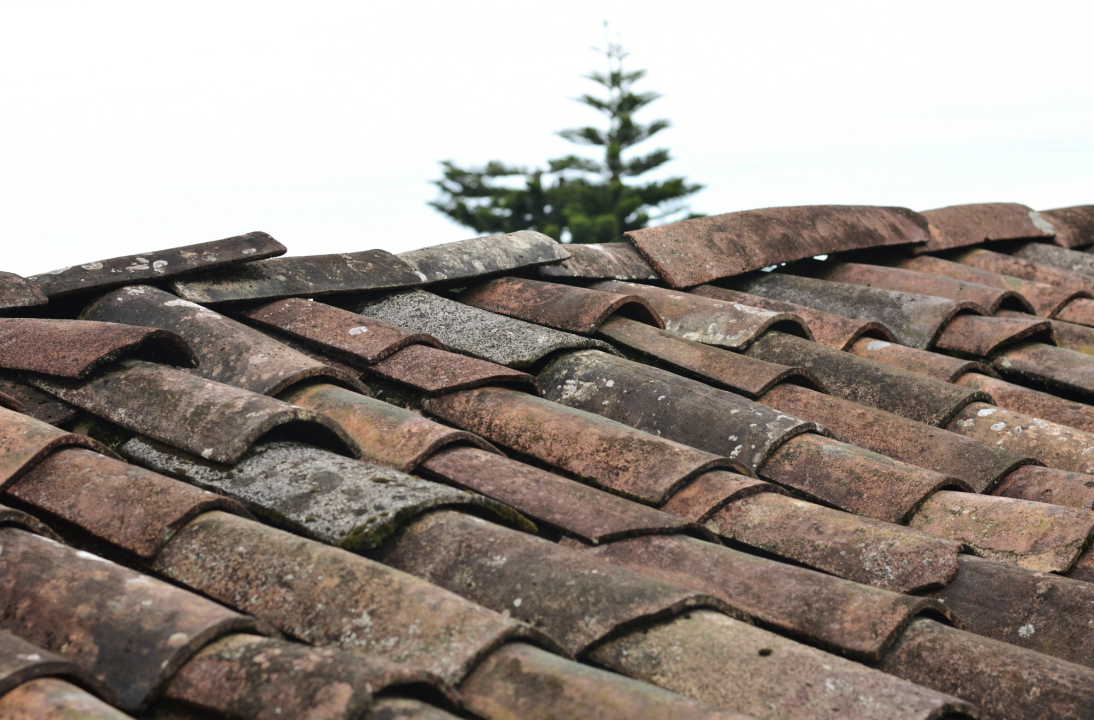
- Clay & Concrete Tiles (50+ years): These heavyweights boast impressive lifespans and excel in hot climates, reflecting heat and keeping your home cool. However, their weight requires a strong roof structure, and installation necessitates expertise.
Remember, these are averages. Several other factors can influence your roof’s lifespan:
- Climate: Harsh sun, heavy snowfall, and strong winds can take a toll on any roofing material.
- Installation Quality: A poorly installed roof, regardless of material, is more susceptible to problems.
- Maintenance: Regular inspections and addressing minor issues promptly can significantly extend your roof’s lifespan.
By understanding typical lifespans and these influencing factors, you can make informed decisions about maintaining your roof and plan for potential replacement.
Signs Your Roof Needs Replacement
Your roof will start to show signs of wear and tear over time. Here are some key indicators that it might be time for a replacement:
1. Age of the Roof
Review the section above for various roofing materials and their typical lifespans. If they’re reaching the end of theirs, it might be time to consider a replacement.
2. Visible Damage to Shingles:
- Curling or Cracked Shingles: Warped or broken shingles lose their ability to form a watertight seal, increasing the risk of leaks. Look for curling at the edges (cupping) or upwards in the middle (clawing).
- Missing Shingles: Exposed areas underneath missing shingles are prime entry points for water infiltration. Even a small gap can allow significant water intrusion during heavy rain or snow.
3. Signs of Water Intrusion:
- Stains or Mold Growth: Water damage in your attic, upper rooms, or even ceilings can indicate leaks in your roof. Mold thrives in damp environments and can pose serious health risks. Address any water damage promptly to prevent further problems and mold remediation.
4. Other Warning Signs:
- Moss Growth: While unsightly, moss growth itself isn’t an immediate threat. However, it can trap moisture underneath, accelerating shingle deterioration and creating a breeding ground for mold.
- Excessive Granules in Gutters: Granules are the mineral coating on asphalt shingles that provide UV protection and impact resistance. Excessive amounts in your gutters indicate shingle wear and potential leaks.
- Sagging Rooflines: A sagging roofline is a serious issue that can point to structural damage beneath the roofing materials. This requires immediate professional attention to prevent a roof collapse.
Remember, these signs should be evaluated alongside your roof’s age and material. If you’re unsure about the condition of your roof, don’t hesitate to contact a qualified roofing professional for a thorough inspection. A proactive approach can save you from costly repairs down the road.

Importance of Professional Inspection: When Your Eyes Aren’t Enough
While the signs mentioned above can provide valuable clues, your roof’s entire story might not be readily apparent. This is where a professional roof inspection comes in. A qualified roofer acts like a detective, uncovering hidden problems that could lead to major issues down the road.
Here’s how they can help:
Trained Eyes Spot Trouble
Experienced roofers have a keen eye for detail and can identify potential problems beyond what a homeowner might see from the ground. They can assess the condition of flashing around chimneys and skylights, inspect for loose or corroded fasteners, and identify areas with inadequate ventilation.
Under-the-Surface Inspection
Professional roofers don’t just look at the surface. They may carefully remove shingles to inspect the underlying roof deck for signs of moisture damage, rot, or infestation. This deeper inspection can reveal hidden issues before they escalate into major repairs.
Peace of Mind and Preventative Care
A thorough inspection by a professional can provide invaluable peace of mind. Knowing the exact condition of your roof allows you to plan for any necessary repairs or replacements proactively. This proactive approach can save you money in the long run by preventing small issues from turning into costly emergencies.
In addition to identifying hidden problems, regular inspections offer the benefits of preventative maintenance. Just like taking your car for regular oil changes, a professional roofer can perform minor repairs and maintenance tasks that extend the lifespan of your roof and prevent future problems.
Don’t wait until a leak springs a surprise!
If you’re still wondering, “Do I need a new roof?“, Green Group Roofing is here to provide answers and solutions.
Green Group Roofing is your Bay Area partner for all your roofing needs. Our team of expert roofers can identify potential problems before they become major issues, saving you money and stress in the long run.
Schedule a free inspection today and let Green Group Roofing ensure your roof remains a reliable shield for your home. Call us at (925) 217-8784 or visit our website to learn more about our services.