
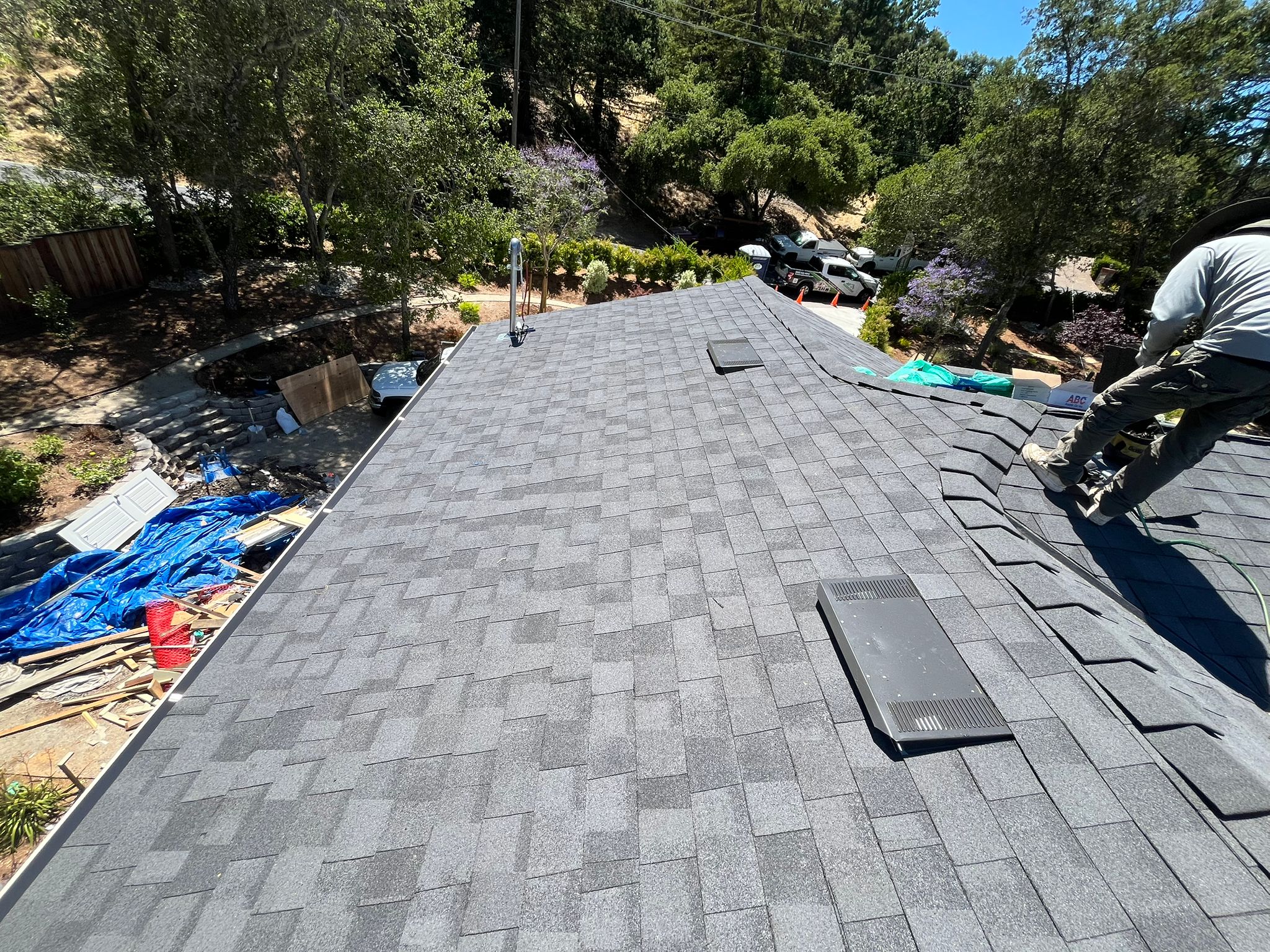
Do homes need gutters? Let’s discuss.
Gutters aren’t exactly the first thing you think of when you think of home. That is, until water starts pooling near the foundation or dripping down the siding.
The truth is, gutters do far more than catch rain. They control where that water goes once it leaves your roof. Without them, runoff can saturate the soil around your home, weaken the foundation, and cause erosion that shifts walkways and landscaping. Over time, even a modest amount of water in the wrong place can lead to mold, cracked concrete, or basement leaks.
Still, not every home needs gutters in the same way. Factors like your roof design, soil type, and local rainfall all play a part. Understanding how these elements work together helps you see whether gutters are essential protection, or an optional upgrade, for your particular property.
Do Homes Need Gutters? Yes: Gutters Matter for Most Homes
Gutters serve one main purpose: to move rainwater away from your house in a controlled way. When they’re installed and maintained correctly, they protect nearly every part of your home’s exterior.
If you’re still wondering, “Do homes need gutters?” They do. Here’s how they make a difference:
1. Protecting the Foundation
Rainwater that runs straight off a roof lands right beside the house. Over time, that moisture seeps into the soil and starts affecting the stability of the foundation. In areas with clay-rich soil, the expansion and contraction from trapped water can cause walls to shift or small cracks to form. Even slab foundations can move unevenly when the ground stays too wet.
2. Preventing Erosion
Without gutters, heavy rainfall can wash away topsoil and mulch around your home’s perimeter. You’re left with bare spots and exposed roots that are harder to maintain. That erosion doesn’t just affect appearance—it can also change the grade around the house, allowing even more water to collect where it shouldn’t.
3. Preserving the Exterior
Runoff doesn’t stop at the ground. It splashes back onto siding, doors, and windows, carrying dirt and moisture that can stain surfaces and wear down paint or siding materials. Over time, this shortens the lifespan of exterior finishes and increases maintenance costs.
4. Protecting Landscaping and Hard Surfaces
Well-placed downspouts guide water away from delicate landscaping and paved areas. Without them, water can pool along driveways or walkways, causing small cracks that grow over time—especially in colder climates where freeze-thaw cycles occur.
5. Controlling Long-Term Moisture Damage
Much of the damage caused by water happens slowly. Gutters provide control over where that water goes, preventing the gradual wear that often leads to expensive repairs. For most homes, they’re a small system that prevents big problems.
What Happens When You Don’t Have Gutters
Ignoring or skipping gutters might seem harmless at first. After all, rain just runs off the roof and disappears into the yard, right? Not exactly. That water has to go somewhere, and when it isn’t managed, it starts to create a chain reaction around your home.
Soil and Foundation Problems
The first place water settles is along the foundation. Over time, the soil around your house becomes saturated and unstable. When that soil shifts, it pulls at your foundation, creating small cracks that expand with each season. In colder regions, trapped moisture can freeze and widen those gaps even more. The result is often uneven floors, sticking doors, or visible cracks in interior walls that trace back to foundation stress.
Surface Damage
Without gutters, rainwater hits the ground in concentrated streams. It splashes dirt onto siding, leaves streaks on paint, and slowly wears away the protective layers meant to shield your home. You may notice green stains near the base of exterior walls or soft, rotted sections of trim that stay damp after every storm.
Water Intrusion and Mold
As rainwater pools near the base of the home, it finds entry points. Basements and crawl spaces are the most common victims. Even a small amount of moisture can create a damp environment perfect for mold growth. Once that happens, the air inside your home starts to carry the effects: musty smells and humidity.
Landscape and Yard Erosion
Landscaping takes a hit too. Plants along the foundation struggle when their roots are constantly exposed to standing water. Grass can thin out, and mulch washes away, leaving trenches that direct even more water toward the home. Over time, you may need to regrade parts of your yard just to fix what runoff has undone.
Every bit of rain contributes to the problem little by little. One storm might not make a difference, but years without gutters often end in costly repairs that could have been prevented with a simple drainage system.
When Gutters Might Not Be As Necessary
There are exceptions to the rule. Some homes can function decently well without gutters, depending on how they’re built and where they’re located. The key is whether the property can naturally manage water without help.
Homes with wide overhangs or steeply sloped roofs often shed rainwater far enough away from the walls and foundation that gutters add little benefit. The roof’s shape acts like a built-in drainage system, guiding water away from the structure before it can soak into the soil.
Properties built on well-draining soil or gentle slopes can also handle runoff more easily. In sandy or rocky terrain, water disperses quickly instead of pooling near the base of the house. In those cases, the risk of foundation damage or erosion is much lower.
Regions with minimal rainfall are another consideration. In arid climates, gutters might only see a handful of storms each year. For some homeowners, the cost and maintenance simply outweigh the limited use.
However, these situations are the exception, not the standard. Most homes benefit from having gutters, even if only to manage occasional downpours. If you’re unsure, a local roofing or drainage professional can evaluate how your roof, soil, and slope interact. Their assessment can show whether gutters are essential protection or simply an extra layer of precaution.
Making the Right Call for Your Home
Gutters decide how well your home stands up to time and weather. Whether you live in a rainy region or a drier one, managing water is always part of protecting your investment. Gutters simply give you control: where the rain goes, how it drains, and what it leaves behind.
If you’re building, remodeling, or noticing signs of water damage, this is the right moment to evaluate your drainage setup. A professional inspection can reveal whether your current system is enough or if new gutters could prevent costly problems down the road.
Green Group Roofing has helped countless homeowners choose and install gutter systems that work with their homes—not against them. From seamless gutters to durable materials built for local weather, we make sure your home stays protected year after year.
Still wondering, do homes need gutters? Contact Green Group Roofing today for a quick, no-obligation consultation and get practical guidance you can trust.